
How to Extend the Life of your Ford Transit

John Liotine • October 2, 2024

If you rely on your Ford Transit for work or personal use, keeping it in top shape is key to getting the most out of it. These vans are built tough, but like anything, a little care can go a long way.


At Colorado Fleetworks, we repair Ford Transits in our Denver shop every week, and we know firsthand that routine maintenance is the best way to keep them running smoothly for years. Here are a few simple tips to help extend the life of your Transit.


1. Stick to Regular Maintenance


First things first, always stick to your regular maintenance. Oil changes, filter replacements, and fluid checks should be done on schedule. It’s easy to put these things off, but delaying routine service can lead to much bigger (and more expensive) problems down the road. If you’re not sure what your van needs or when, check the manual or ask us. We're happy to help.


2. Keep an Eye on Your Brakes


Brakes are a big deal, especially if you’re using your van to haul heavy loads or doing a lot of city driving. If you hear squeaking or grinding, or if it feels like it’s taking longer to stop, don’t wait. Getting your brakes checked regularly can save you from bigger problems down the line. Plus, replacing brake pads when they’re worn out is a lot cheaper than dealing with damaged rotors.


3. Pay Attention to Your Tires


Your tires might not always be top of mind, but they’re critical for both safety and performance. Underinflated tires can mess with your fuel economy, and worn-out tires reduce your grip on the road. Check your tire pressure regularly and keep them inflated to the right level. Also, rotating your tires every 5,000 to 7,000 miles will help them wear evenly which will keep you safer and make them last longer.


4. Don’t Forget Your Transmission


Your Transit’s transmission is doing a lot of heavy lifting, especially if you’re using it for towing or carrying big loads. Keep an eye on the transmission fluid and make sure it’s topped off and clean. If you’re noticing any weird noises or issues shifting, it’s time to have it looked at. Transmissions aren’t cheap to fix, but catching problems early can save you a lot of hassle.


5. Take Care of the Cooling System


Overheating is no joke, and it can really damage your engine. Make sure your coolant levels are where they should be and replace the coolant according to the manufacturer’s recommendations. If your engine’s running hot or your temperature gauge is creeping up, don’t ignore it. Have a knowledgable Transit mechanic take a look and find the issue.


By sticking to these basic tips, you can get a lot more life out of your Ford Transit. Regular maintenance, catching problems early, and keeping things clean all help keep your van in great shape. If you need any help with your Transit, whether it’s routine maintenance or something more serious, give us a shout at Colorado Fleetworks and our expert Transmit mechanics. We’re here to make sure your van stays on the road for the long haul.

By Terrance Devon December 8, 2025
Get expert Mercedes Sprinter Service Near You in Denver. Learn what to expect and book reliable diagnostics and repairs today. Call now!
By Terrance Devon December 1, 2025
Wondering if it’s time for a Sprinter van repair shop? Learn the top signs of engine, brake, or transmission issues and why timely repair saves you money!
By Terrance Devon November 24, 2025
Discover why fleet truck service is essential for performance, safety, and savings. Keep your fleet running smoothly—learn how expert service helps!
Fleet Truck Repair
By Terrance Devon November 17, 2025
Fleet Truck Repair issues can slow your business down. Learn the top red flags and call now for expert diagnostics and fast service.
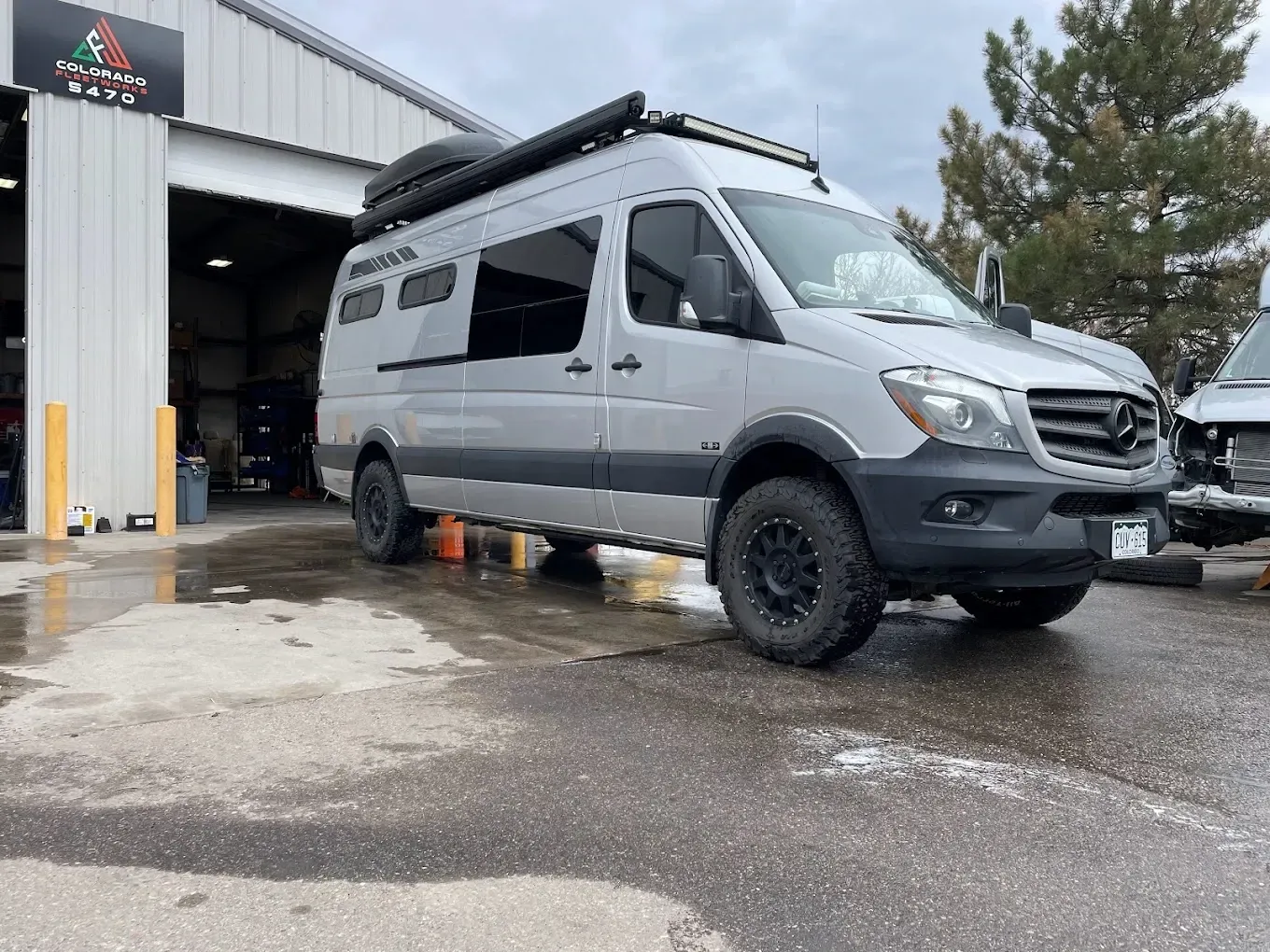
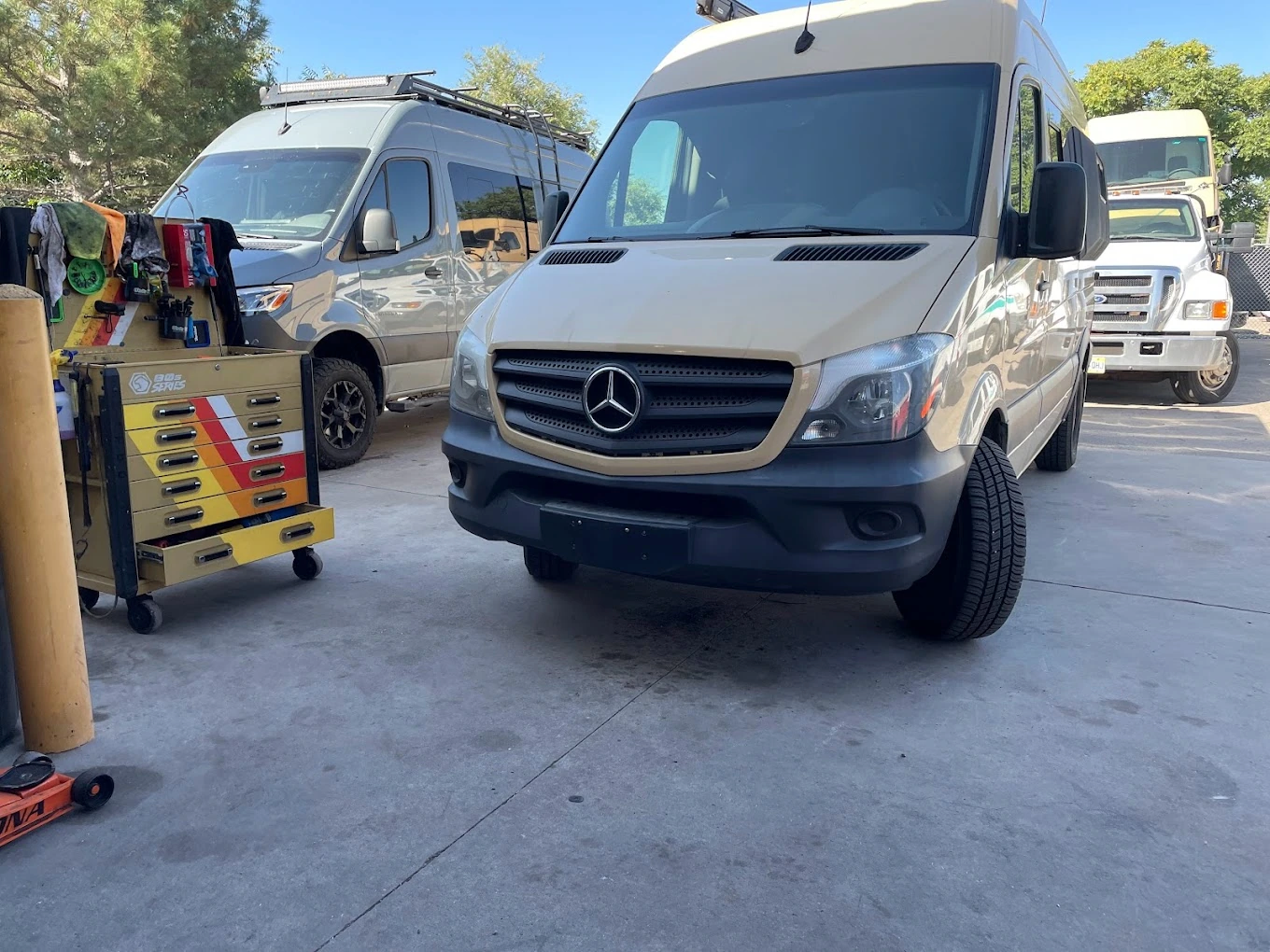
A gray Sprinter van is in the Colorado Fleetworks mechanic driveway in Commerce City, CO.
By John Liotine May 20, 2025
If you're thinking about buying a Mercedes or already own one, it's normal to wonder how long it will actually last. We hear this question all the time. The short answer?  If you keep up with maintenance, most Mercedes-Benz vehicles will run strong for 200,000 to 250,000 miles. Some of models like the E-Class and S-Class can even hit 300,000 or more. Of course, how long your car lasts depends on things like how you drive it, how often it’s serviced, and which model you’ve got. But if you treat it right, a Mercedes can easily go the distance. Mercedes Vehicles Are Built to Last Mercedes puts a lot of engineering into their vehicles. You get solid drivetrains, high-quality components, and well-designed systems. But even a great vehicle can wear out early if it's not cared for. If you stay on top of oil changes, fluid services, and repairs when they first show up, your Mercedes has a real shot at lasting longer than most cars on the road. Some people run into issues because they wait too long between services or skip them altogether. Ignoring things like coolant leaks, check engine lights, or transmission problems might save you money in the short term, but it usually leads to bigger repairs later on. Gas vs Diesel Longevity Most Mercedes owners are driving gas-powered models, but diesel engines are known for lasting even longer with the right upkeep. If you're running a diesel, just know there are extra systems to watch, like the DPF and DEF systems. If those go unchecked, repairs can get pricey. But with regular inspections and the right service schedule, both gas and diesel Mercedes vehicles can stick around for a long time. Service Makes a Difference One of the biggest things that impacts the life of any Mercedes is where you take it for service. Not all shops know how to work on these vehicles properly. At Colorado Fleetworks in Denver, we work on Mercedes-Benz vehicles all the time and understand how to keep them running at their best. We do everything from regular maintenance to complex diagnostics and engine work. Whether your vehicle is still under warranty or well into its high-mileage years, we can help you avoid the common problems that shorten a car’s life. If you’re wondering whether your Mercedes can make it to 300,000 miles, the answer is yes. But it’s not automatic. Staying ahead of problems, following a maintenance schedule, and working with a shop that knows what it’s doing will make all the difference. Need help keeping your Mercedes on the road? Get in touch with us . We’re here to help you get the most out of your vehicle, mile after mile.
By John Liotine March 24, 2025
What’s the Most Reliable Cargo Van? We get this question a lot, especially from small business owners and fleet managers who need vans that just work. No surprises. No constant trips to the shop. Just something that holds up over time and can take a beating without falling apart. Here’s what we’ve seen, working on vans every day in our shop in Denver. Ford Transit: A Solid All-Around Choice The Ford Transit has become one of the most popular cargo vans on the road, and for good reason. Parts are easy to find, it’s relatively simple to work on, and they tend to hold up well if you stick to the maintenance schedule. The drivetrain options are reliable, and the newer models with the EcoBoost engine are surprisingly strong. We work on a lot of high-mileage Transits that are still going strong. Just make sure you stay ahead on oil changes, brakes, and regular inspections. The front suspension can wear early on some models, but nothing too major if caught in time. Mercedes-Benz Sprinter: Built to Last, If You Keep Up With It Mercedes vehicles are known for quality, and the Sprinter is no exception. We’ve worked on Sprinters that are well past 300,000 miles and still going. That said, the key here is consistent maintenance. Sprinters are more complex than other vans, especially on the diesel side. Things like DEF and DPF systems need attention, and the parts can get expensive if neglected. If you’re staying on top of service and taking it to a shop that knows Sprinters inside and out, it’s a van that can definitely go the distance. If you’re not, it can get expensive fast. Looking for Sprinter help? We handle Sprinter repair and service and know what to look for before small problems turn big. Ram ProMaster: Reliable in a Simpler Way Of course, we service and repair Ram Promaster vans as well . The ProMaster might not have the prestige of a Sprinter or the overall popularity of the Transit, but it’s reliable in its own right. The front-wheel drive setup is simple and has fewer parts to go wrong. The 3.6L Pentastar engine used in most models has been around for years and is known to last. The build quality is more basic, but that’s not necessarily a bad thing. Fewer electronics and complicated systems can mean fewer repair bills. For certain types of fleets or businesses that just need a van to get from point A to B, the ProMaster is a solid option. All three are capable, reliable vans when treated right. The best one for you depends on how you use it, how often you maintain it, and what kind of repairs you’re prepared to handle. Need help keeping yours on the road? We’re here for that. Give us a shout at Colorado Fleetworks and we’ll keep your van running like it should.
By John Liotine March 10, 2025
Wondering how often you should change the oil in your Sprinter? If you drive a diesel MB Sprinter van, you already know it’s built to work hard. But like anything that runs long miles, it needs regular care to stay in good shape. One of the biggest maintenance items? Oil changes. For most diesel Mercedes Sprinter diesels, it’s a good idea to change the oil and filter every 10,000 miles or once a year, whichever comes first. If you’re doing a lot of stop-and-go driving, towing heavy loads, or spending time in extreme temperatures, it’s smart to do it a little more often. Those kinds of conditions can wear the oil out faster, so staying on top of it can help avoid bigger problems down the road. At Colorado Fleetworks, we service and repair Sprinter vans in our Denver shop to the tune of dozens every week. We’ve seen what happens when oil changes are done on time, and we’ve seen what happens when they’re not. The Short Answer For most Mercedes Sprinter diesel engines, the recommended oil change interval is about 10,000 miles or once a year , whichever comes first. That’s assuming you’re using the correct synthetic oil and OEM filters. If your Sprinter is part of a fleet, gets heavy daily use, or spends a lot of time idling, you might want to change it closer to every 7,500 miles to stay ahead of wear. Why Oil Changes Matter More Than You Think Sprinter diesel engines are tough, but they run hot and work hard. Over time, oil breaks down and collects gunk from combustion. If you push your oil past its limit, it can lead to things like sludge buildup, reduced fuel efficiency, or even early engine wear. Clean oil keeps everything moving the way it should and helps your engine last a lot longer. Don’t Forget the Filter We always recommend swapping out the oil filter with every change. Dirty filters can’t do their job, and keeping them fresh ensures that contaminants don’t cycle back through your engine. It’s a simple step that can prevent expensive problems later on. Signs You Might Be Overdue If you’ve gone too long between changes, you might notice sluggish performance, engine noise, or reduced fuel economy. Some Sprinters will even throw a warning light when it’s time. But you don’t need to wait for a signal. Regular oil service is cheap insurance compared to what engine repairs cost. Book Your Oil Change with Sprinter Experts We’ve been working on Sprinters in the Denver area since 2015. Whether it’s a routine oil change or a full inspection, we can help you get the most life out of your van. If it’s been a while or you’re not sure when your last service was, stop by and we’ll take care of it. You keep the van moving. We’ll help keep it running right.
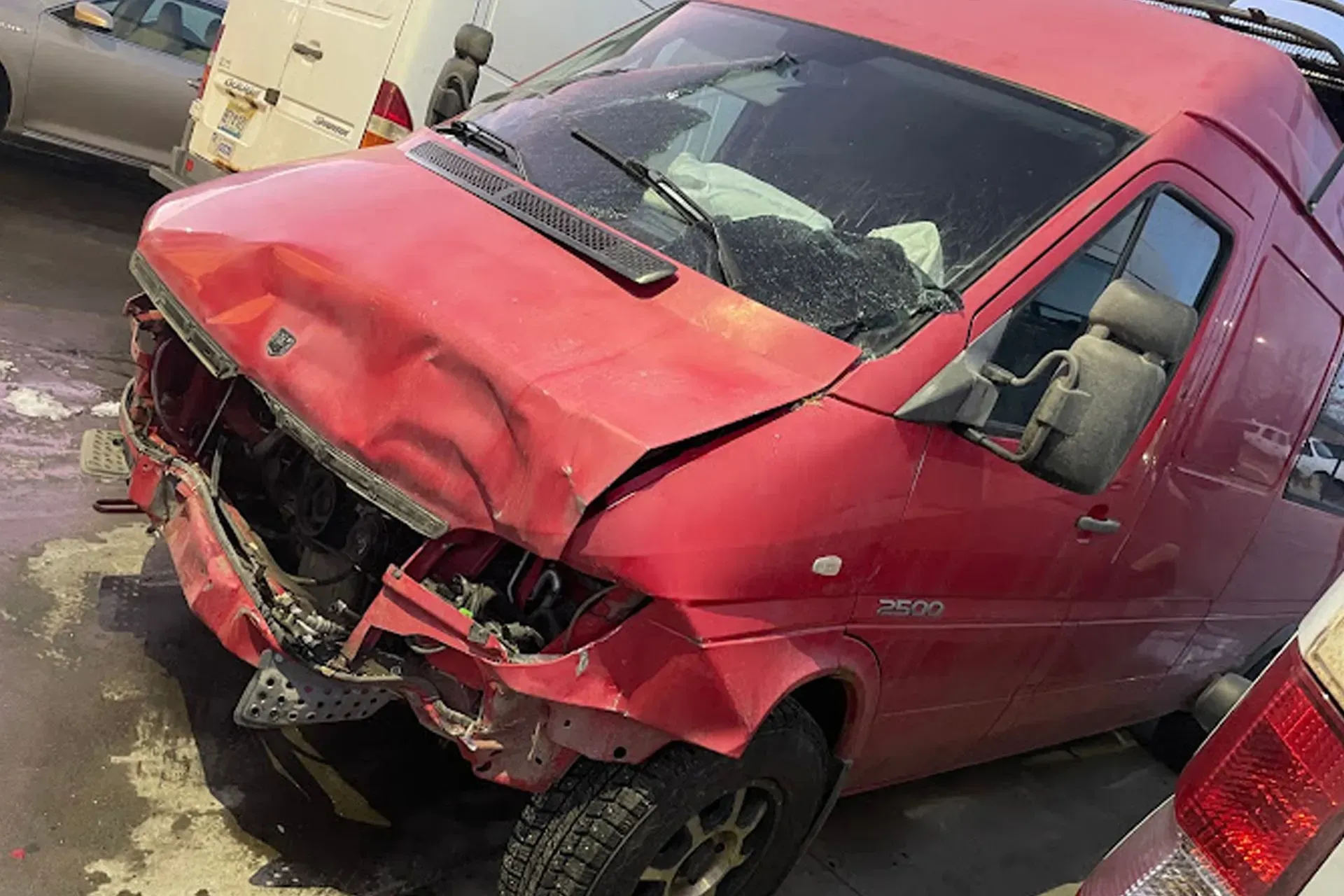
damaged van body in collision shop
By John Liotine February 26, 2025
If you've got a cargo van, camper van, or fleet vehicle that needs body work, you already know it’s not exactly fitting into your average garage. These things are tall. And wide. And long. And most body shops just aren’t set up to handle that. That’s where having a shop with large bays and tall paint booths makes all the difference. Size Matters (A Lot) Standard auto body shops are built for regular passenger vehicles. But when you roll in with a high-roof Sprinter or an extended Ford Transit, suddenly the game changes. Without extra-tall ceilings and oversized paint booths, a shop simply can’t get your van inside, let alone repaired and painted properly. You can’t exactly buff out a dent on a roof you can’t reach. At Colorado Fleetworks, we’ve got two of the tallest paint booths in the Denver metro area, and bays built to handle high-roof vans and larger fleet vehicles. That means we can take care of everything from basic fender repair to full panel replacements and full-body paint jobs, no weird workarounds or sketchy corner cutting. Vans Have More Going On The other thing with van body repair is that it’s rarely as simple as “pop off the bumper and replace it.” If your van’s a camper, you might have cabinets, plumbing, wiring, or custom panels in the way. If it’s a work van, you’ve probably got shelving, racks, or tool systems built in. A shop that knows vans understands how to remove interior components without destroying your setup. We know how to get the job done while protecting the stuff you’ve built around it. Paint Jobs That Actually Work Painting a van isn’t just about matching color. It’s about space. You need the kind of airflow, ventilation, and vertical clearance that a shop with oversized booths can provide. Trying to spray a tall van in a short booth is a no-go. You’ll get overspray, inconsistent coats, or worse, a job that peels or fades in a few months. With our equipment, we can get that even, factory-quality finish no matter the size of your van. Bottom Line If you’ve got a van that needs body work , don’t waste your time at a shop that isn’t built for it. Find a place that actually has the right equipment, knows how to work with large vehicles, and respects the setups inside them. At Colorado Fleetworks, we’re set up to handle everything from Transit Connects to high-roof Sprinters , and we do it every day. If your van needs body work in the Denver area, we’re ready when you are.
By John Liotine February 12, 2025
Replacing the engine in your Mercedes Sprinter isn’t anyone’s idea of fun, but if you’re her asking "How much does a Sprinter engine replacement really cost?," you might be staring that reality in the face. Whether you're running deliveries every day, living full-time in your van, or just trying to keep your work fleet on the road, a blown engine is a big deal. And yes, it can be a big price tag too. So… what’s the damage? Let’s get to the part everyone wants to know. On average, a full engine replacement for a Sprinter can run anywhere from $10,000 to $20,000. That’s a wide range, but there’s a reason for it. It depends on: The year and model of your Sprinter Whether you go with a brand-new engine, a remanufactured one, or a used swap Labor costs, which vary depending on where you take it How much additional work is needed once the engine’s out For example, if the turbo is cooked or you’ve got other damage tied to the failure, that could bump up your costs. Why labor costs are a big factor Sprinters aren’t like your typical pickup or sedan. Everything’s packed in tight under the hood, and getting to the engine takes time. There’s also a whole lot of sensors, electronics, and van-specific parts to reconnect after the new engine is in. It’s a time-consuming job that really needs a tech who knows these vans. New vs. remanufactured vs. used Sprinter engines A brand-new engine from Mercedes is the most expensive route, and not always necessary. Many folks opt for a remanufactured engine, which has been rebuilt with new internal components and tested. It's usually more affordable and still super reliable when sourced right. Some go the*used engine route, but it’s riskier unless you really know the history. Should you replace or repair? Not every engine issue means full replacement. If the bottom end’s still solid and you’ve just got a cracked head or blown gasket, repairs could be more cost-effective. But if your Sprinter’s racked up a ton of miles and it’s one thing after another, a full swap might actually save money long-term. Trust a Sprinter expert, not just any mechanic We’ve said it before, and it definitely applies here: not every shop is set up to handle Sprinters the right way. You need someone who understands these vans inside and out. At Colorado Fleetworks, we work on Sprinters every single day , including work vans, camper builds, delivery vehicles, you name it. We’ve done our fair share of engine replacements, and we’re honest about what makes sense and what doesn’t. If you’re facing a possible engine replacement, we can walk you through the options, take a real look at what’s going on, and help you make the call that’s right for your van and your budget. Need help with your Sprinter's engine? Reach out to Colorado Fleetworks in Denver . We know vans, and we’re here to keep you moving. 
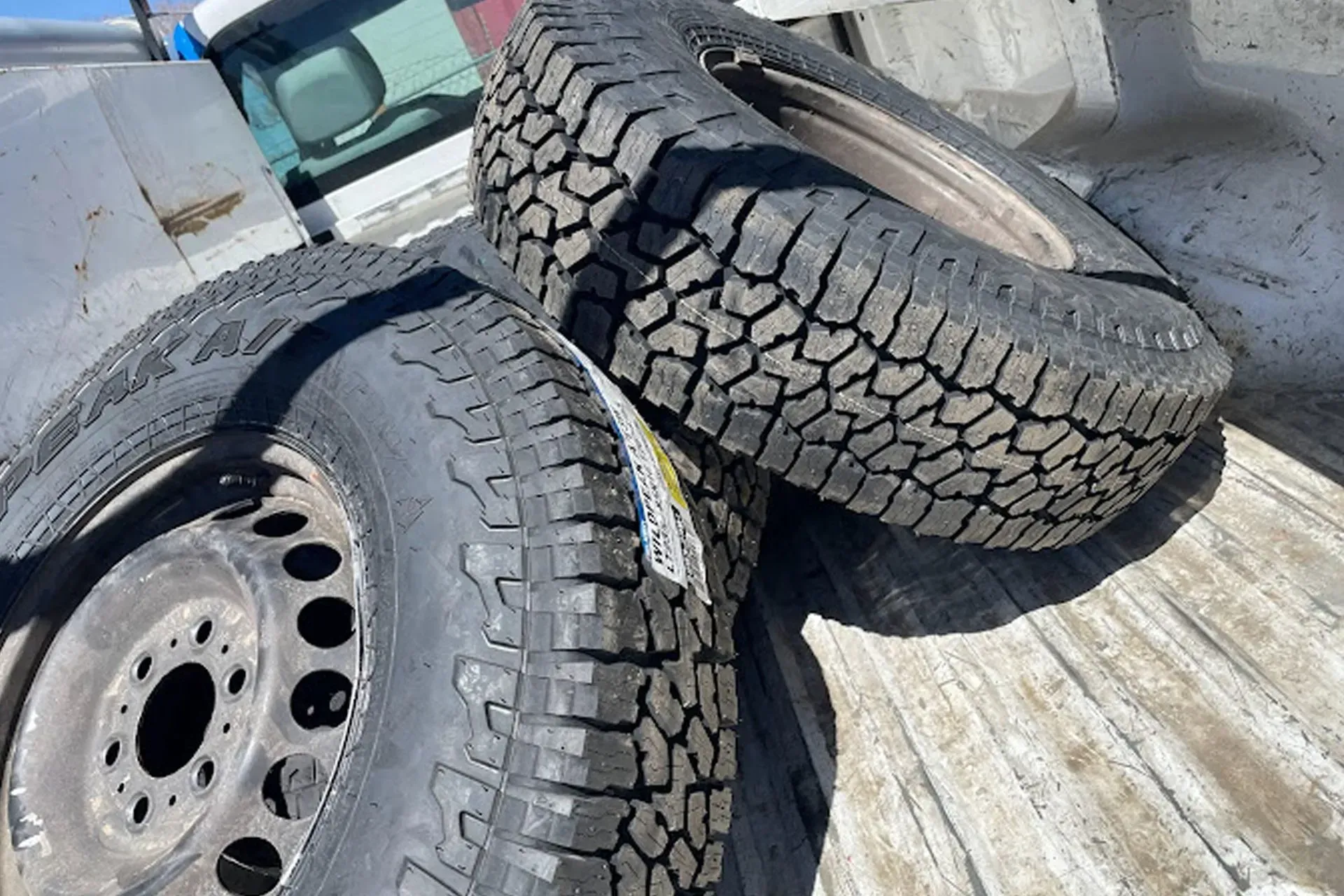
tires on a truck bed
By John Liotine January 17, 2025
Winter driving in Colorado isn’t for the faint of heart. One day, the roads are dry and clear, and then overnight, you’re waking up to black ice and a foot of snow. If you’re still running all-season tires, you might be rolling the dice more than you realize. Here’s why winter tires are a game changer for safety and control when the temperatures drop. What Makes Winter Tires Different? Winter tires aren’t just about tread patterns - they’re made from a different type of rubber that stays flexible in the cold. Regular all-season tires harden in low temperatures, reducing grip, while winter tires keep their traction even in freezing conditions. Plus, their deep grooves and biting edges are designed to cut through snow and slush, helping you stay in control. Do You Need Winter Tires in Colorado? Short answer: Yes, if you want to drive safely in snow and ice and don't have other traction devices. Colorado’s winter roads can be unpredictable, and while all-wheel drive helps with acceleration, it won’t help you stop faster. Instead, your tires do that. If you drive in the mountains, winter tires can make the difference between getting up a pass or sliding backward. Even in the city, icy intersections and surprise snowstorms mean having the right tires could prevent an accident. The Colorado Traction Law If you’re driving in the mountains from September to May, you might already know about Colorado’s traction laws. When these go into effect, vehicles must have proper tires with at least 3/16" tread, snow chains, or a four-wheel/all-wheel drive system. You can view all of the up-to-date requirements here . Winter tires (or all-terrain tires with the right tread depth) make it easier to comply with these laws while also keeping you safer on the road. When to Switch to Winter Tires The best time to put on winter tires is before the first big freeze, typically around October or early November. A good rule of thumb? When temperatures consistently drop below 45°F, it’s time to swap them on. Once spring hits and the weather warms up, switch back to all-season or summer tires to prevent unnecessary wear on the softer winter rubber. Need Help Getting Winter-Ready? At Colorado Fleetworks, we know how important it is to keep your vehicle safe and reliable all year long. If you need winter tires installed or aren’t sure if your current ones are up to the challenge, we’re here to help. Swing by, and we’ll make sure you’re set up for whatever Colorado’s winter throws at you!